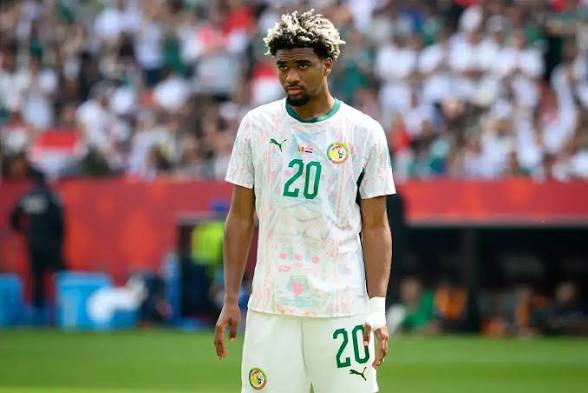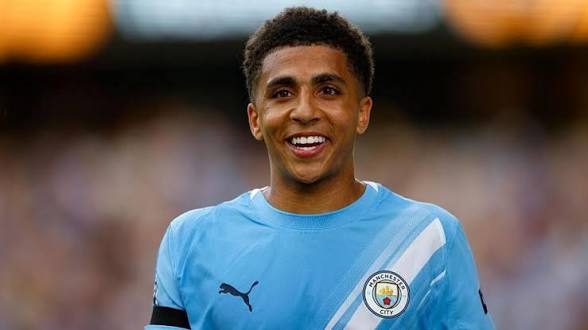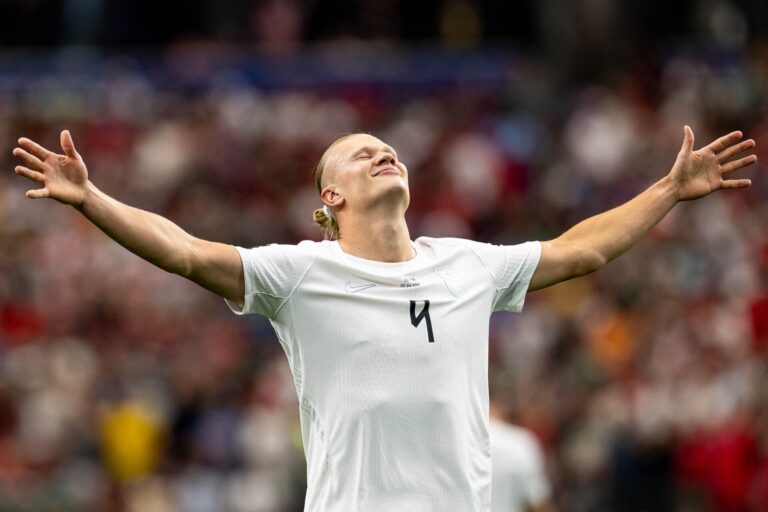



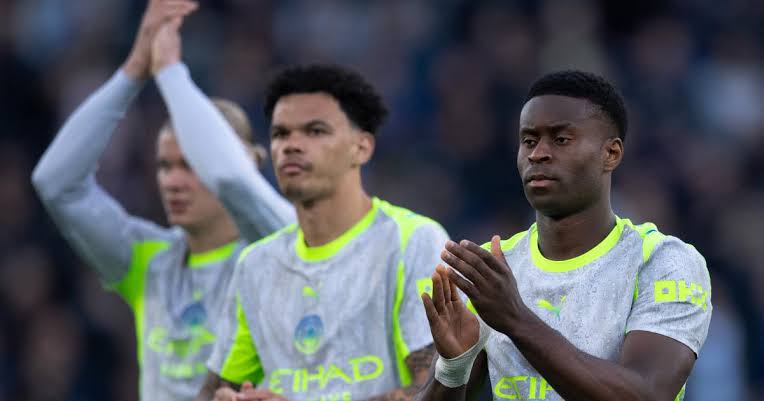
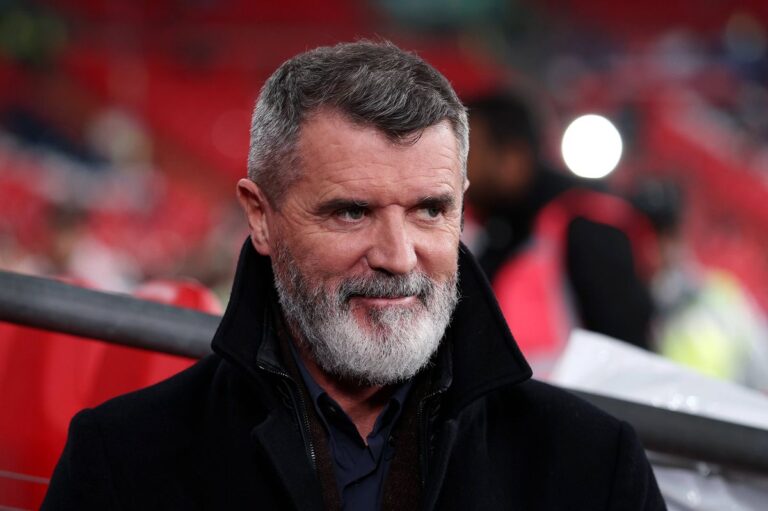
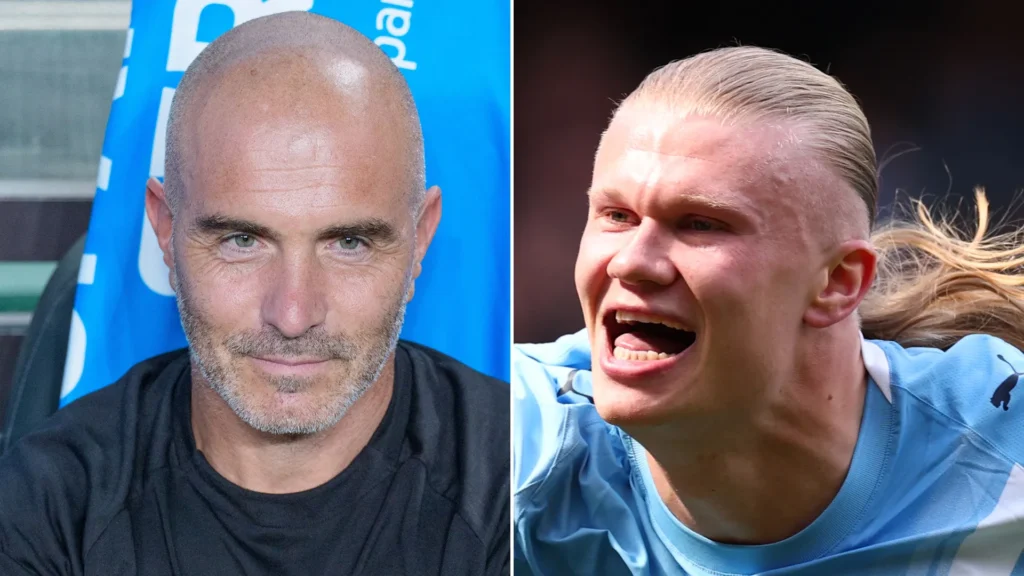
Manchester City head coach Enzo Maresca has given the clearest signal yet that Erling Haaland is unlikely to be handed the club captaincy. He revealed a coaching habit that would make it “a problem” if the Norwegian wore the armband.
Maresca, who took charge at the Etihad this summer following Pep Guardiola’s departure, is currently reshaping City’s leadership structure after Bernardo Silva’s move to Real Madrid left the captaincy vacant.
Under Guardiola, the armband had in recent seasons rotated among a four-man leadership group of Silva, Rúben Dias, Haaland and Rodri, with the squad historically given a say in the process. Maresca, by contrast, is expected to make the final call himself.
Speaking about his methods, the Italian explained that at both Leicester City and Chelsea he operated a specific in-game routine. Whenever his side scored, he would summon the captain to the touchline for instant tactical instructions.
Applying that same system to Haaland, he suggested, would be impractical given the striker’s primary focus in matches.
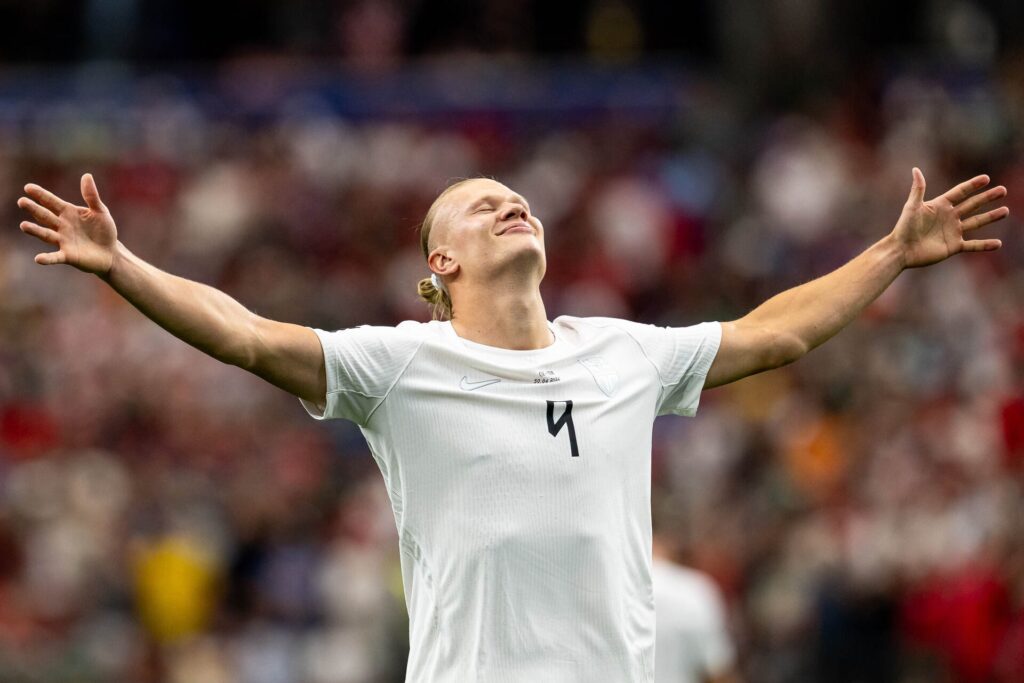
“If Erling is captain, we have a problem,” Maresca said. “Can you imagine?”
Dias’s touchline role during Seoul win offers a glimpse of what Maresca wants
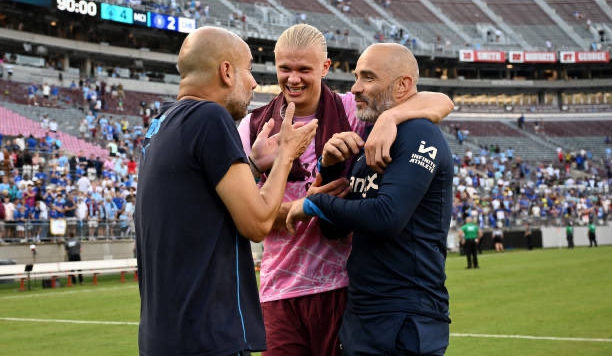
The head coach pointed to City’s pre-season friendly against the K-League All-Stars in Seoul, which City won 3-1, as an example of the habit in action.
Dias, who wore the armband that day, was seen jogging over to the bench for guidance shortly after the restart. Maresca said that pattern was typical of how he likes to communicate with his on-field leader, adding that there is “always something to adjust” even a few minutes into a half.
That preference appears to strengthen Dias’s position as a leading candidate for the captaincy on a permanent basis.
The Portuguese defender was widely seen as City’s on-field organiser even under Guardiola, and has already deputised in the armband during pre-season, including in Maresca’s opening game in charge, a 1-1 draw with Inter Milan that City lost on penalties.
Phil Foden and new signing Marc Guéhi, who captained Crystal Palace and has led England at youth level, have also been mentioned as contenders as Maresca looks to build what reports suggest is a leadership core with a strong English presence.
Foden, one of the more experienced English players left in the squad is seen as a natural fit given his standing in the dressing room.
Haaland, for his part, remains central to City’s attacking plans regardless of the captaincy outcome. The 25-year-old scored freely throughout last season and is expected to lead the line again.
Maresca’s comments were not a criticism of Haaland’s leadership qualities, but rather a practical observation about how the striker’s job on the pitch.
A captaincy decision that fits a wider reset at the Etihad
The captaincy question is one of several structural changes taking shape as Maresca settles into his first season at City.
The club is also navigating the fallout from Rodri’s reported interest from Barcelona, with the Spanish midfielder’s long-term future still the subject of speculation.
Losing both Silva and potentially Rodri from the old leadership group would leave City with a markedly different core of senior voices compared with the Guardiola era.
For now, Maresca appears to be trialling different captains across pre-season fixtures — a deliberate approach, he has suggested, to assess which player responds best to his methods before the Premier League season begins.
Dias’s frequent trips to the technical area suggest he remains the frontrunner, but Maresca has given no indication that a final decision has been made.
City open their Premier League campaign in the coming weeks, by which point Maresca is expected to have settled on a captain who fits both the dressing room’s expectations and his own demand for a direct line of communication once the ball has hit the net.