
When a club as carefully structured as Manchester City decides to sell one of its brightest academy products, the assumption is usually that the decision has been calculated from every possible angle.
Talent, opportunity, finances, squad balance and future development are all considered before a player is allowed to leave.
That is why the growing speculation linking City with a move to bring Cole Palmer back from Chelsea feels so fascinating.
It is not simply a transfer rumour involving one of England’s most gifted young footballers. It is a story about a club potentially attempting to reverse one of the most significant decisions of the Pep Guardiola era.
City sold Palmer for £42.5m in September 2023 after the midfielder made it clear he wanted regular first-team football.
At the time, the move made sense for all parties. Chelsea were searching for a creative focal point in attack, Palmer wanted a bigger role than the one available to him at the Etihad Stadium, and City believed the fee represented excellent value for a player who was still developing.
Three years later, the picture looks dramatically different.
Palmer has evolved into one of the Premier League’s most influential attacking players since arriving at Stamford Bridge.
His technical quality was never in doubt during his years in Manchester, but what has impressed most observers is the speed with which he adapted to the pressure of becoming the central figure at one of English football’s biggest clubs.
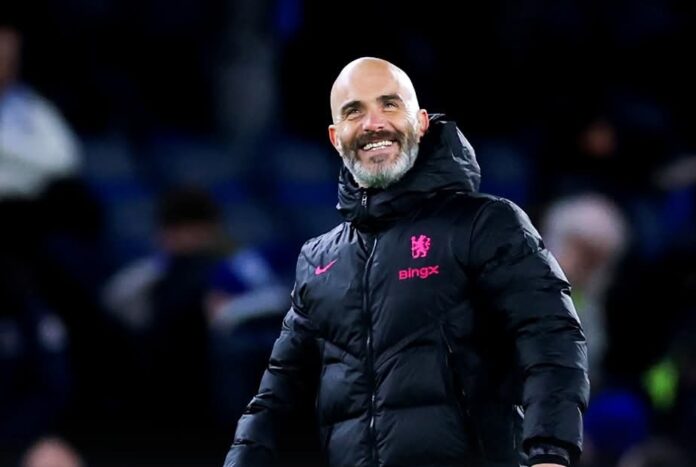
The reports suggesting City want him back are therefore understandable. Guardiola’s departure from the club appears set to trigger a major transition at the club, and the anticipated arrival of Enzo Maresca as his successor only adds another layer to the speculation.
Maresca knows Palmer perhaps better than almost any coach in elite football. Their relationship at Chelsea produced some of the most effective football of the player’s career, with the Italian building large parts of his attacking structure around Palmer’s movement, creativity and composure in the final third.
The possibility of reuniting the pair at City creates an obvious narrative.
Palmer would return to the club where he developed as a youngster, but this time as an established star rather than a promising academy graduate fighting for minutes behind some of the best players in world football.
There is also a footballing logic behind the interest. City’s squad is entering a period of change.
Several key players are approaching the latter stages of their peak years, while Guardiola’s departure could alter both the tactical identity and emotional atmosphere of the club.
- Man City set to replace James Trafford with talented but relegated goalkeeper
- What Bruno Fernandes did that forced Pep Guardiola to call urgent meeting at Man City
In that environment, bringing back a player already familiar with City’s culture and expectations would represent a relatively low-risk solution to a potentially difficult rebuild.
Yet if the emotional appeal of the story is easy to understand, the practical reality is far more complicated.
Chelsea hold the power in any negotiation
The most important detail in the entire situation is simple: Chelsea do not need to sell.
Palmer remains under contract at Stamford Bridge until 2033, an extraordinary position of security that gives Chelsea complete control over any negotiations.
The London club are reportedly valuing him at around £130m, a figure that reflects not only his talent but also the leverage created by such a lengthy agreement.
For City, that creates a difficult dilemma. Paying more than three times the fee they originally received for Palmer would inevitably raise questions about whether the club made a major mistake in allowing him to leave in the first place.