





Howard Webb has rejected Enzo Maresca’s assertion that Bruno Fernandes should also have been dismissed during Sunday’s fiery Manchester derby, insisting the United captain’s role in Phil Foden’s red card did not meet the threshold for violent conduct.
Foden was sent off in the 23rd minute of City’s 1-0 win at Old Trafford after kicking out at Fernandes, who had bundled the England forward to the ground moments earlier.
Referee Michael Oliver showed Foden a straight red for violent conduct, and VAR chose not to intervene over Fernandes’ part in the incident — a decision that left new City boss Maresca fuming on the touchline.
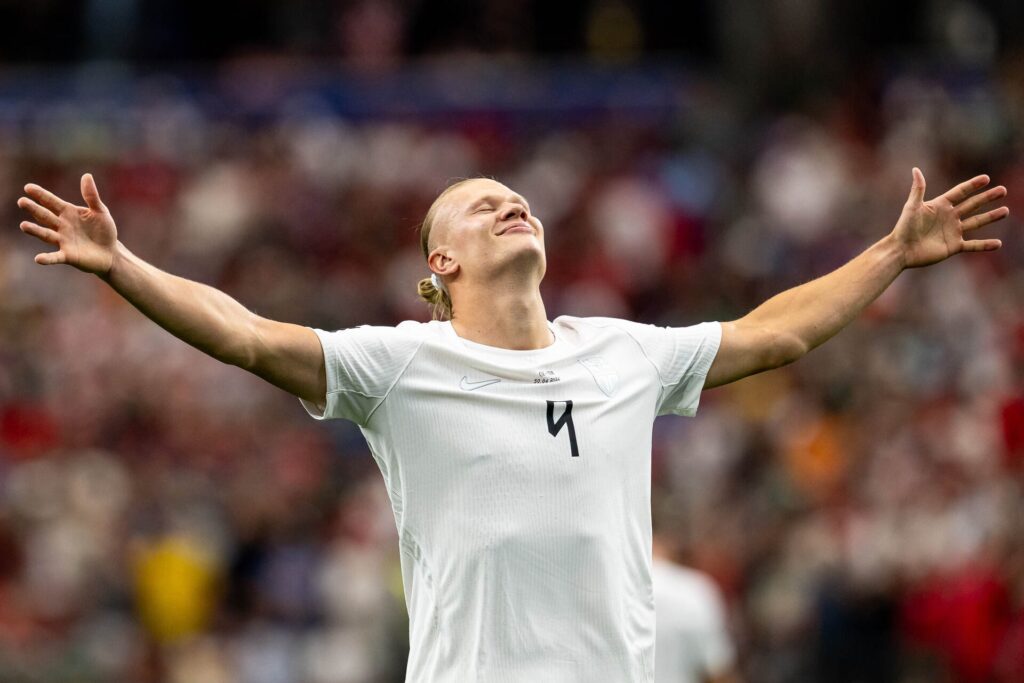
It was the first red card in a Manchester derby in 20 years, and Manchester City went on to win courtesy of an Erling Haaland goal despite playing more than an hour with ten men.
Maresca shows frustration after the match
Speaking after the match, Maresca argued that Fernandes had escaped punishment despite kicking Foden multiple times, suggesting the United captain was fortunate not to be shown a card of his own.
His frustration was echoed by pundits including Sky Sports’ Gary Neville, who said he was surprised Fernandes avoided any sanction, while others in the media questioned why the officials had treated the two incidents so differently.
But Webb, the Pro Ref chief refereeing officer, has now given his account of how the decision was reached — and it does not back Maresca’s version of events.
“I agree with the red card for Phil Foden for violent conduct. He kicks out with force into the upper body of Bruno Fernandes. And that’s seen by the referee, and that’s the on-field call; a red card for Foden.
“Now, when you look at the footage, there’s that petulant kick by Bruno Fernandes into the backside of Foden. It’s more petulant than violent. To be violent conduct, it has to have excessive force or brutality, and when you look at that particularly in full speed, it doesn’t have those elements.
“Therefore, this would be a yellow card offence, and the VAR can’t step in to recommend the referee looks at the screen to give a yellow card.
“Of course, if all of this is missed and nothing is given against Foden, the VAR could step in so the referee could see Foden’s actions for a possible red card and they would capture Fernandes’ yellow card action. But because the referee gave the red card on the field, that option’s not open to the VAR,” he explained.
Why VAR’s hands were tied during the incident
Webb’s explanation centres on a quirk of the video assistant referee protocol: once an on-field official has correctly identified and punished the more serious offence — in this case Foden’s red card — VAR is not permitted to go hunting for a separate, lesser card against another player in the same passage of play.
Had Oliver missed Foden’s kick entirely, Webb said, VAR could then have stepped in and picked up both offences together, including a yellow for Fernandes. Because Oliver got the bigger call right in real time, the smaller one was left unaddressed.